


EMRA+PolicyRx Health Policy Journal Club

A collaboration between Policy Prescriptions and EMRA
As emergency physicians, we care for all members of society, and as such have a unique vantage point on the state of health care. What we find frustrating in our EDs - such as inadequate social services, the dearth of primary care providers, and the lack of mental health services - are universal problems.
As emergency medicine residents and fellows, we learn the management of myocardial infarctions and traumas, and how to intubate, but we are not taught how health policy affects all aspects of our experience in the ED. Furthermore, given our unique position in the health care system, we have an incredible opportunity to advocate for our patients, for society, and for physicians. Yet, with so many competing interests vying for our conference education time, advocacy is often not included in the curricula.
This is the gap this initiative aims to fill. Each month, you will see a review of a new health policy article and how it is applicable to emergency physicians.
Want to contribute?Related Content
Aug 25, 2017
Your Home
The Emergency Medicine Residents' Association EMRA is the voice of emergency medicine physicians-in-training and the future of our specialty and the largest and oldest independent resident organization in the world. EMRA was founded in 1974 and today has a membership over 18,000 residents, medical students, and alumni.

Apr 04, 2023
Trichobezoar: A Case of Swallowed Hair in an Adolescent Patient
Trichobezoars are an uncommon diagnosis but should be considered in the differential for patients presenting to the emergency department with abdominal pain. It is especially important not to overlook the possibility for this diagnosis in young female patients with concurrent psychiatric disorders.
Apr 04, 2023
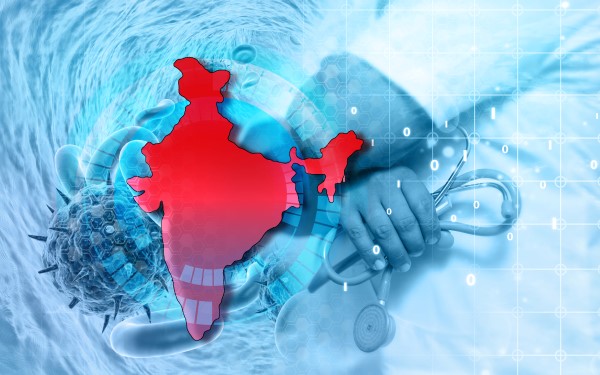
Emergency Medicine in India: Paths Crossed and What Lies Ahead
Emergency medicine in India has advanced substantially from its nascent origins. The country’s healthcare community has recognized the need for quality emergency care as the number of citizens affected by motor vehicle accidents, communicable and non-communicable diseases, and natural disasters continues to grow. However, further progress must be made in EM research, care delivery, and future-physician training to optimize patient health outcomes in India.