Browsing: Toxicology

48-4 Euglycemic DKA.jpg
SGLT-2 inhibits can cause massive osmotic diuresis and intravascular volume depletion. The body’s appropriate response to this is production of antidiuretic hormone, an excess of which is capable of c
48-4 BRASH Fig 1.jpg
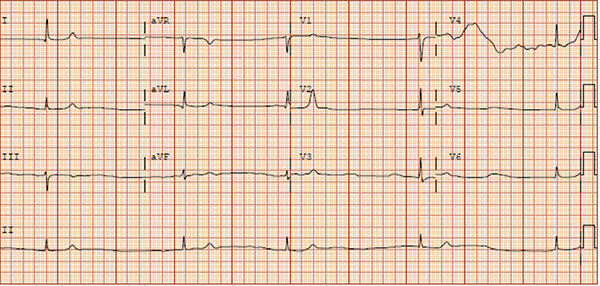
BRASH syndrome is an uncommon but often fatal condition in which an acute renal injury initiates a vicious cycle of bradycardia, hyperkalemia, hypotension and worsening renal failure in patients who t
48-4 HFA Injuries.jpg
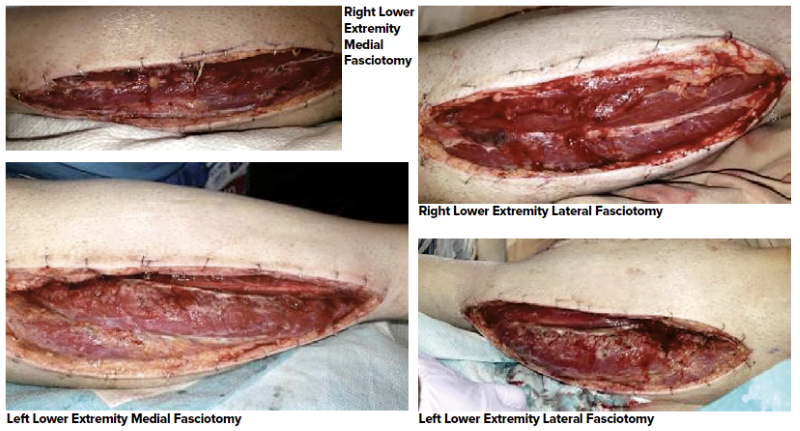
Emergency physicians, tactical medical providers, and other first responders are tasked with taking care of those who become injured or ill in mass gatherings that turn violent. Hydrofluoric acid expo
48-4 Physostigmine.jpg
Physostigmine has long been recognized as an antidote to reverse antimuscarinic delirium. However, its effectiveness, safety profile, and dosing have been disputed in recent years. But does this medic
48-3 Envenomations.jpg
Post-pandemic vacations are picking up steam - and outdoor getaways remain popular. Are you ready to handle bites, stings, and other envenomations?
48-2 Hemopericardium - cxr-supine-ap Fig 1.jpg
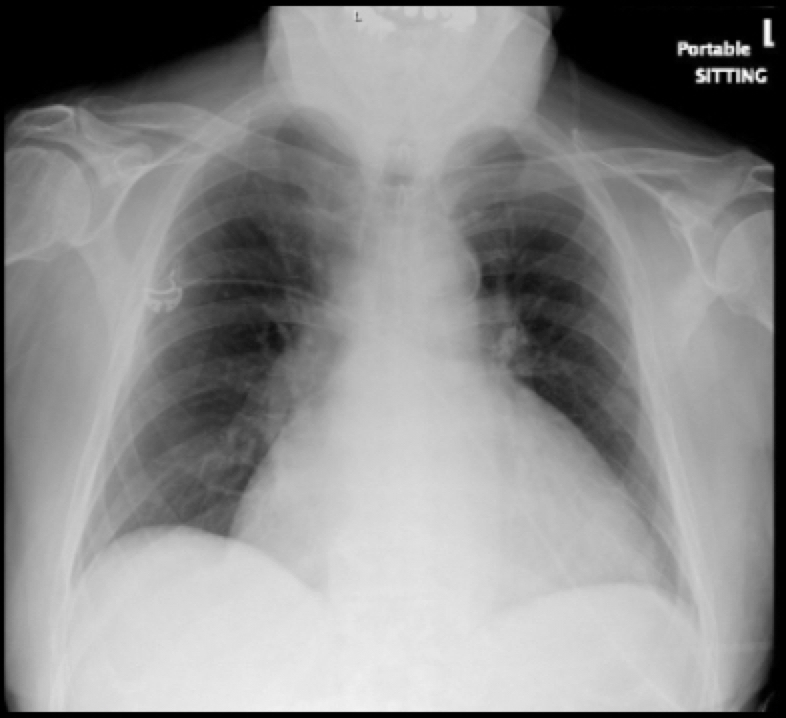
Direct oral anticoagulants (DOACs) have become the preferred anticoagulant medication for patients with nonvalvular atrial fibrillation, deep vein thrombosis, and pulmonary embolism. However, recent c
48-2 NSAID risk.jpg
NSAIDs are the most commonly used class of drugs in the world. They possess analgesic, antipyretic, and anti-inflammatory properties. Its GI side effects are most apparent and well-documented and can
48-2 Caustic Ingestion.jpeg
Caustic ingestions cause either coagulative (acidic substance) or liquefactive (alkaline substance) necrosis. Management and treatment include observation, labs, imaging, endoscopy, and may require mo
47-5 Antidysrhythmic Toxicity.jpeg
Antidysrhythmic drugs are broadly categorized into Vaughan-Williams classifications, and their effects should be carefully noted.
47-5 Alpha-2 Agonist OD.jpeg
Recognizing alpha 2-agonist overdose and distinguishing it from other etiologies of bradycardia and hypotension is critically important.