








Future physician-astronauts, here’s a new opportunity that’s right up your alley — UCLA’s Space Medicine Fellowship. EMRA’s Prehospital and Disaster Medicine Committee gets a first-hand look with the
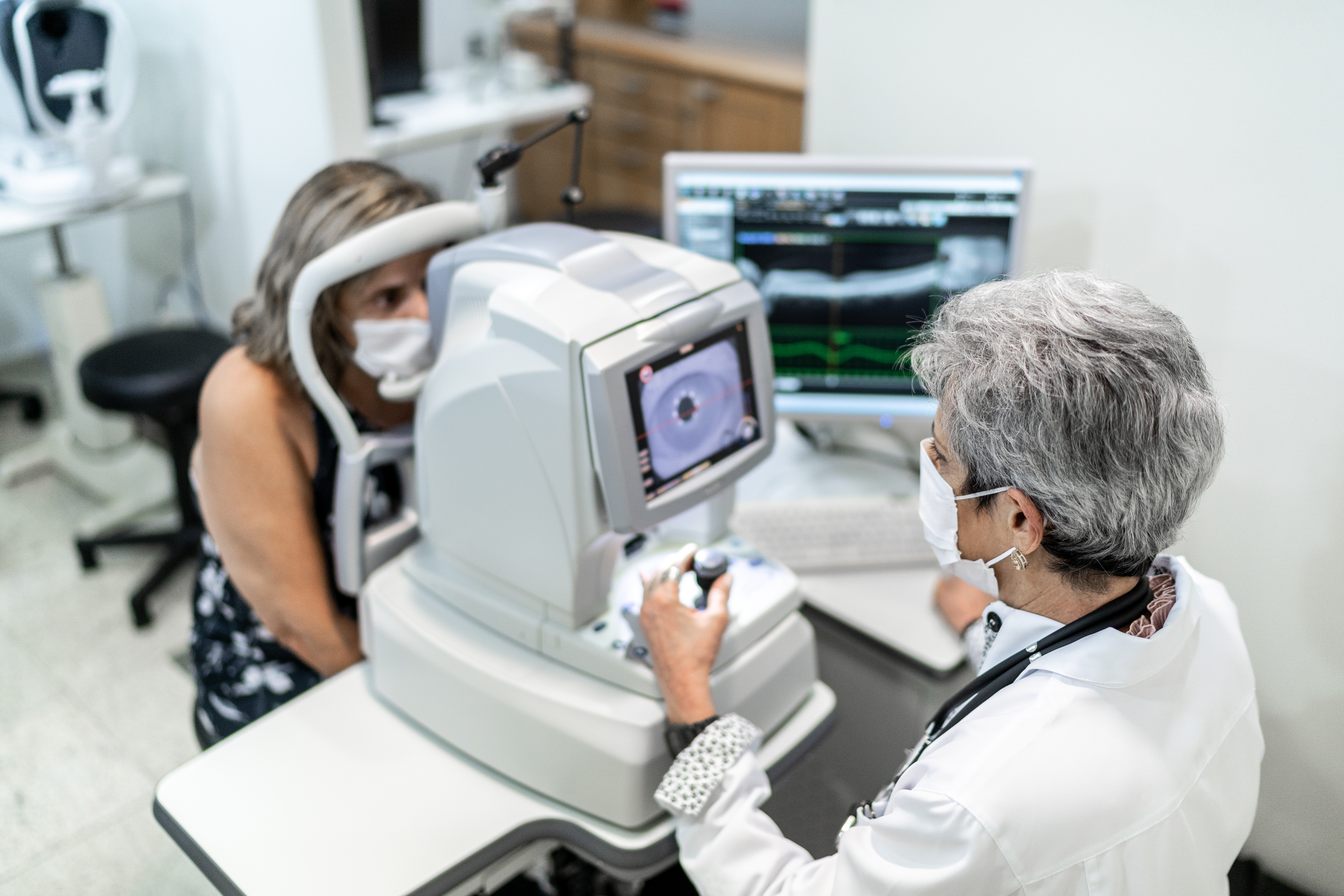
CRAO and BRAO are ocular emergencies mandating rapid diagnosis and management to prevent permanent loss of vision. Treatment options include ocular massage to attempt to relocate a lesion to a more pe
Surveys can be great research tools to obtain data when carefully designed and correctly administered. When writing a survey, consider the best method to administer it, take into account participant m
Managing acute angle closure glaucoma in the ED involves decreasing intraocular pressure caused by excess aqueous humor. Once the diagnosis is made, steps can be initiated to rapidly decrease the pres
Medical eponyms like “Grave’s disease” and “Bell’s palsy” suggest, misleadingly, either a sense of ownership or perhaps a personal affliction of the individual named. Additionally, eponyms complicate
Although bias is pervasive in medical research, OHCA studies have unique sources of bias that are infrequently addressed in study methods. Recognizing these biases is vital to the critical appraisal a
Hematuria, while a common presentation to the ED, can have myriad causes. Some of those causes, such as a ruptured AAA and tuberculosis, can be life-threatening if not recognized. When working up a pa
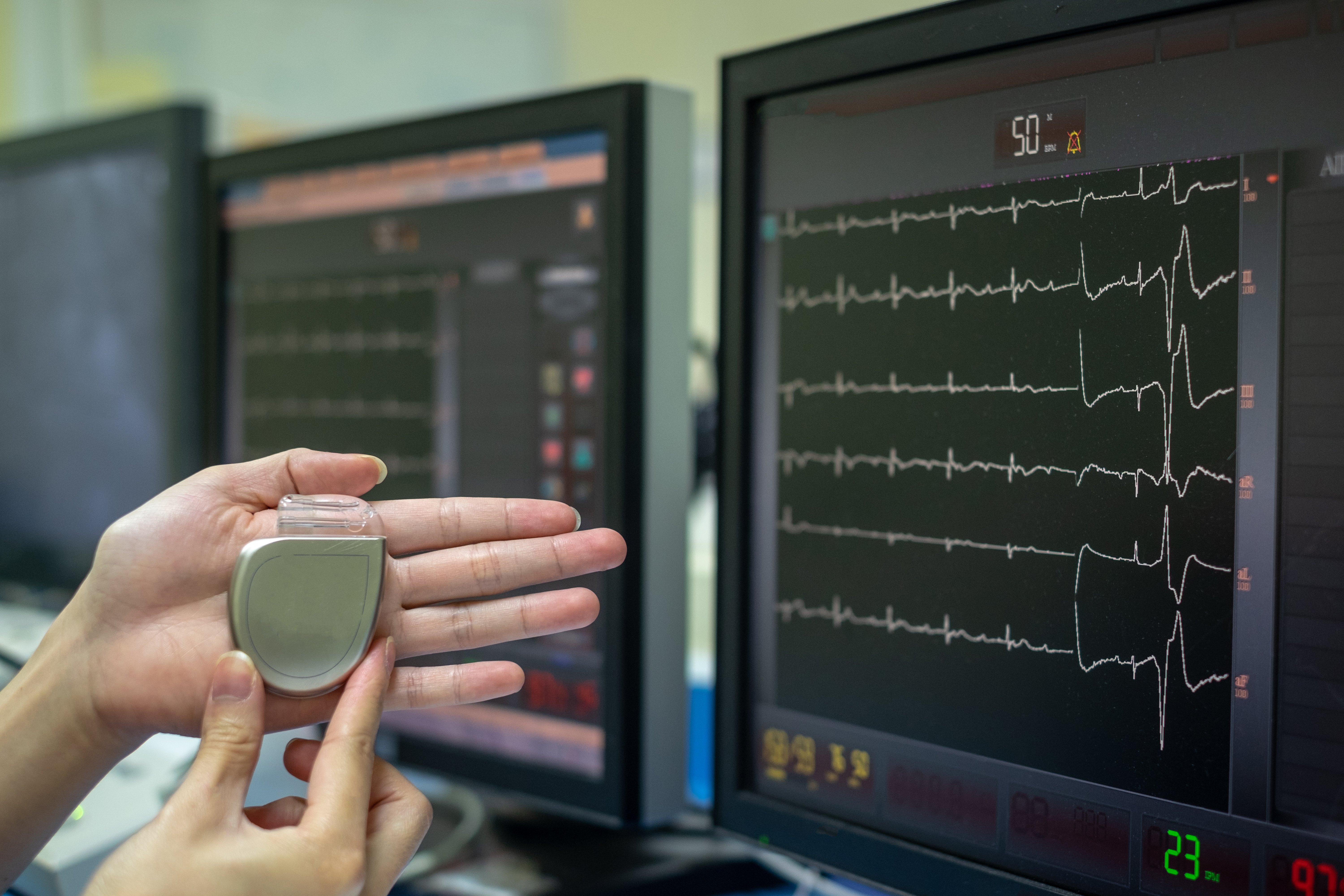
More studies are needed to create sensitive and specific criteria for coronary-related ischemia in patients with biventricular pacemakers, but high clinical suspicion, changes in EKG, and early recogn
In the setting of a malignant pericardial effusion with tamponade and pulmonary embolism, medical management can be difficult due the need for heparinization as well as pericardiocentesis. In a peri-s
When a pediatric patient presents to the ED with pSVT and vagal maneuvers have failed, choice of AV nodal blocking agent is important. Our case shows that calcium channel blockers offer several advant